
How to Design Unique Wedding Table Settings for Your Big Day

Designing unique wedding table settings is where aesthetics meet experience. Beyond flowers and plates, a well-designed table defines the emotional atmosphere of your reception. It sets the tone for conversations, enhances photography, and reflects the couple’s identity.
For Lola Ribas, table design is not decoration — it is storytelling. As the founder of the wedding planning company, Lola Ribas has built her signature style around curating immersive unique wedding table settings that reinterpret Wedding Color Trends in sophisticated and unexpected ways. Through her creative direction, Wedding Color Trends become a refined visual language rather than a fleeting fashion choice.
In this guide, we will explore how to create unique wedding table settings using Wedding Color Trends strategically, ensuring your design feels both current and timeless.

Index
Why Table Settings Matter More Than You Think
Understanding Wedding Color Trends in Depth
Building a Cohesive Design Concept Step by Step
Essential Elements of a Memorable Table Setting
Table Setting Style Comparison
Advanced Styling Techniques Used by Professionals
Personalization Strategies That Make an Impact
Common Mistakes to Avoid
Why Table Settings Matter More Than You Think
Guests spend most of the reception seated at their tables. That space becomes their visual world for hours, influencing how they perceive the entire celebration. The table is not just functional — it frames conversations, photographs, and the overall atmosphere of the evening.
Well-designed unique wedding table settings elevate the reception in multiple ways:
They reinforce the wedding’s visual identity and theme.
They enhance the dining experience by complementing the menu presentation.
They create comfort and flow, encouraging interaction between guests.
They provide a cohesive backdrop for photography and videography.
They allow Wedding Color Trends to be integrated naturally and elegantly.
According to Lola Ribas, overlooking table styling is one of the biggest missed opportunities in wedding design. Wedding Color Trends may guide the palette, but it is through carefully curated unique wedding table settings that those trends become immersive rather than superficial.
When Wedding Color Trends are interpreted with balance and intention, the result is an atmosphere that feels curated, memorable, and emotionally engaging rather than simply decorative.
Understanding Wedding Color Trends in Depth
Wedding Color Trends evolve seasonally and culturally, often influenced by fashion, interior design, travel aesthetics, and digital platforms. They reflect broader shifts in taste, from minimal neutral palettes to bold, expressive contrasts. Current Wedding Color Trends include warm neutrals with gold accents, olive green paired with champagne, dusty blue with soft grey, terracotta and sand tones, deep berry shades for evening receptions, black and cream contrasts, and monochromatic tonal layering.
However, following Wedding Color Trends does not mean copying them directly. Lola Ribas encourages couples to reinterpret these palettes within their unique wedding table settings so the result feels authentic and timeless. This can be achieved by layering:
A dominant base tone that anchors the design.
A complementary accent shade for contrast.
Subtle metallic or textural highlights for depth.
Small details such as tinted glassware, colored taper candles, textured linens, or floral accents can discreetly reflect Wedding Color Trends across unique wedding table settings. The key is cohesion — ensuring every element works together so the palette feels intentional and refined rather than overwhelming.
Building a Cohesive Design Concept Step by Step
Creating unique wedding table settings begins with defining a clear narrative. Without a strong concept, even the most beautiful individual elements can feel disconnected.
Start by analyzing the venue. A historic estate, modern industrial loft, beachfront location, or countryside villa each require a different interpretation of Wedding Color Trends. The architecture, lighting, and surrounding environment should guide the palette rather than compete with it.
Next, define the emotional tone of the celebration — romantic, editorial, minimalist, dramatic, or organic. Lola Ribas emphasizes that Wedding Color Trends must align with this emotional intention. A bold contrast may suit a contemporary city wedding, while soft tonal layering might better complement a garden reception.
Once the mood is clear, select a core palette inspired by Wedding Color Trends and add two complementary tones for balance. Introduce texture through layered linens, floral arrangements, stationery, and tableware to create dimension. Finally, maintain proportional balance: centerpieces should fit the table size, decorative elements should not obstruct guests, and color intensity should be distributed evenly.
When each of these steps is executed thoughtfully, the result is a collection of unique wedding table settings that feel cohesive, harmonious, and visually striking without appearing forced.

Essential Elements of a Unique Wedding Table Settings
Linens and Layers
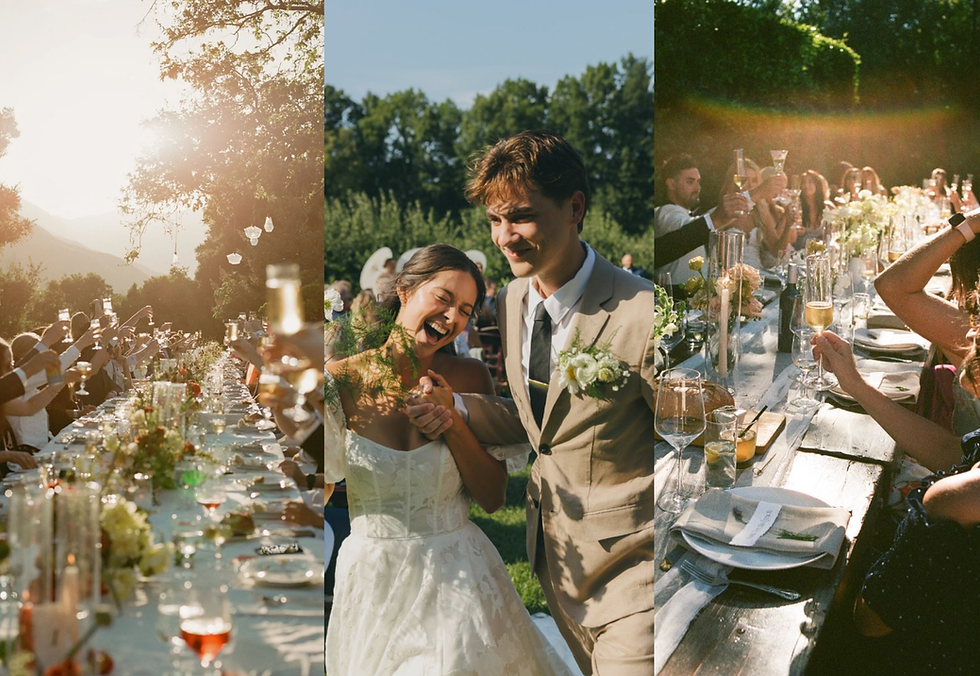
Linens create the visual foundation of the table and establish the first layer of depth. The choice of fabric, weight, and texture can completely transform the atmosphere, whether through soft velvet for winter celebrations or natural linen for outdoor receptions. Incorporating Wedding Color Trends through tablecloths or runners allows the palette to feel intentional without overwhelming the design, especially when subtle layering techniques are applied.
Tableware
Tableware defines the personality of the setting and reinforces the overall concept. Mixing porcelain, matte ceramics, metallic finishes, or tinted glassware adds dimension and sophistication. When aligned thoughtfully with Wedding Color Trends, plates and glassware can introduce color in a refined way, creating harmony rather than contrast. Lola Ribas often integrates understated tonal elements that echo Wedding Color Trends without dominating the composition.
Florals
Florals are one of the most expressive components of the table and often the clearest reflection of Wedding Color Trends. Whether through low, intimate arrangements or more structured and architectural compositions, flowers shape the visual rhythm of the tablescape. Seasonal selections aligned with Wedding Color Trends enhance authenticity while ensuring freshness and cohesion within the overall aesthetic.
Lighting
Lighting influences how colors are perceived and therefore plays a critical role in enhancing Wedding Color Trends. Candlelight softens tones, adds warmth, and creates intimacy, while ambient lighting can highlight textures and reflective surfaces. A carefully planned lighting design ensures that Wedding Color Trends maintain their depth and elegance throughout the evening.
Stationery
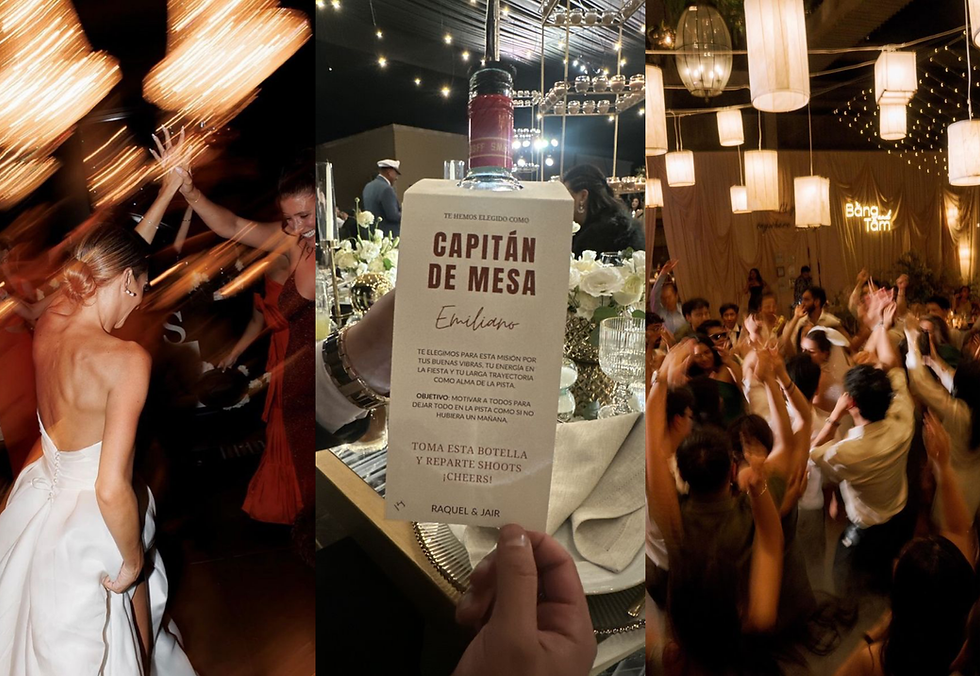
Stationery elements such as menus, place cards, and table numbers provide subtle opportunities to reinforce Wedding Color Trends in a sophisticated manner. Through thoughtful typography, paper selection, and delicate finishing details like embossing or wax seals, these small components contribute to the overall narrative of the table. As Lola Ribas approaches every layer with precision, even stationery becomes an integral part of expressing Wedding Color Trends cohesively.
Table Setting Style Comparison
Style | Color Approach | Key Materials | Overall Effect |
Romantic Classic | Blush, ivory, champagne | Silk linens, fine china | Timeless elegance |
Modern Minimalist | Monochrome palettes | Matte ceramics, glass | Clean sophistication |
Rustic Chic | Earth tones | Wood, linen | Warm intimacy |
Bold Contemporary | High-contrast tones | Acrylic, metallic accents | Dramatic impact |
Coastal Elegant | Soft blues and sand tones | Light fabrics, glass | Airy refinement |
Vintage Glam | Mauve, dusty pink | Crystal, gold finishes | Romantic opulence |
Garden Party | Pastel gradients | Cotton textiles, seasonal blooms | Fresh charm |
These examples show how Wedding Color Trends guide each style and can be adapted across unique wedding table settings.
Advanced Styling Techniques Used by Professionals
Professionals like Lola Ribas elevate unique wedding table settings by applying Wedding Color Trends with precision and intention. Rather than relying on bold statements alone, they focus on subtle layering. Tone-on-tone combinations across linens, tableware, and florals create visual depth while maintaining harmony. Alternating centerpiece heights adds rhythm and prevents the design from feeling flat, especially in larger receptions where repetition can become monotonous.
Material contrast is another essential technique. Mixing ceramics with metallic accents, pairing structured floral arrangements with organic greenery, or incorporating textured fabrics against smooth glass surfaces introduces sophistication and balance. Lighting is also curated carefully — candlelight softens tones, while ambient and accent lighting enhance Wedding Color Trends by intensifying hues and highlighting details. Together, these techniques transform unique wedding table settings from simple decorative arrangements into cohesive and immersive design experiences.
Personalization Strategies That Make an Impact
Personalization ensures unique wedding table settings feel meaningful rather than purely aesthetic. Lola Ribas encourages couples to weave their story into the design while still respecting Wedding Color Trends. Custom menus with thoughtful typography, personalized place cards, or subtle monograms can elevate the table without overwhelming it. Even small decorative details, such as heirloom objects or symbolic elements, can create emotional resonance when styled intentionally.
Florals can also reflect personal preferences, incorporating favorite blooms or seasonal selections that complement Wedding Color Trends. Sensory elements like lightly scented candles or textured linens further enrich the guest experience. When done thoughtfully, these personal touches make unique wedding table settings feel intimate and authentic, ensuring the overall design remains cohesive while celebrating individuality.
Common Mistakes to Avoid
Even the most refined unique wedding table settings can lose impact if common design mistakes are overlooked. Overcrowding the table with excessive décor or oversized centerpieces can disrupt balance and limit guest interaction. Ignoring scale — such as using elements that are too small for large tables or too tall for intimate settings — can make the composition feel disproportionate.
Color misuse is another frequent issue. Choosing tones that clash with the venue or overusing bold Wedding Color Trends without contrast can overwhelm the space. Additionally, prioritizing visual impact over comfort — like obstructed sightlines or impractical tableware — can negatively affect the guest experience. Lola Ribas advises testing layouts beforehand, ensuring consistency across tables, and maintaining restraint so that unique wedding table settings remain elegant, functional, and visually harmonious.

Designing unique wedding table settings requires creativity, planning, and strategic use of Wedding Color Trends. Through texture, lighting, and personalization, these trends can transform tables into immersive experiences.
Lola Ribas demonstrates that cohesion, balance, and storytelling elevate wedding design beyond decoration. With her expertise, your unique wedding table settings will not only reflect Wedding Color Trends — they will set the standard for elegance and sophistication.
Comments